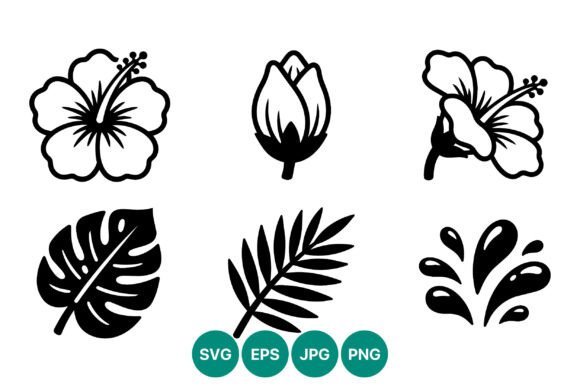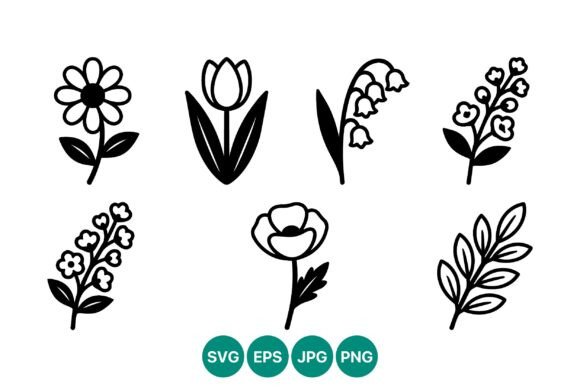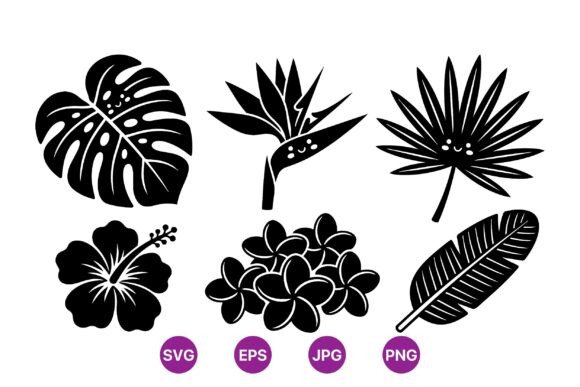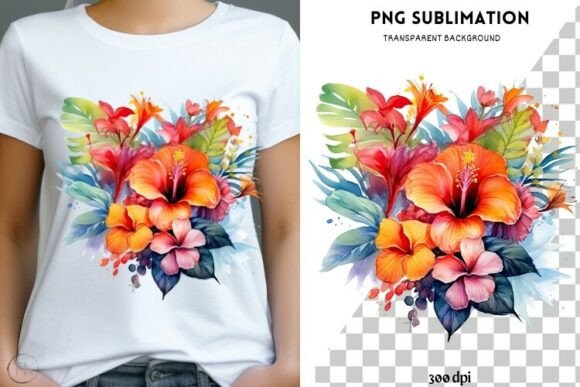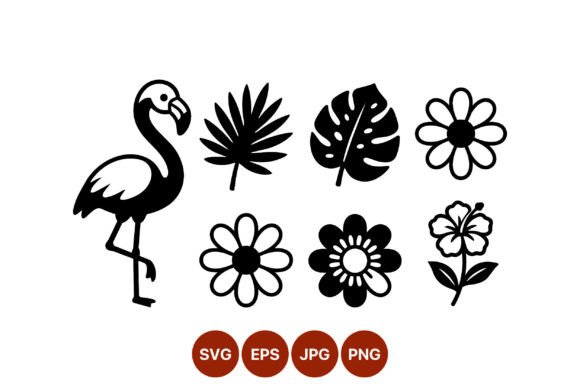
Flamingo Tropical Flowers Vector Graphics
A Fresh Start for Local Branding
The first time I opened the Flamingo Tropical Flowers Vector, I was immediately struck by its simplicity and charm. This black and white vector art featuring a flamingo with various tropical flowers and palm leaves in simple flat design style is both inviting and versatile. It feels like a perfect fit for a small business looking to blend warmth with a touch of elegance. The design suggests a brand that values nature, creativity, and a friendly yet sophisticated personality.
Fitting for a Handmade Soap Business
I imagined using this graphic design asset for a local handmade soap business. The tropical theme aligns well with a brand that emphasizes natural ingredients and a relaxing, spa-like experience. The flat design style makes it easy to integrate into a variety of branding materials without overwhelming the viewer. It’s ideal for a brand that wants to feel authentic and approachable.
Design Asset Versatility
The Flamingo Tropical Flowers Vector is a great example of a digital product that can be used across multiple areas of brand identity. From logo design to packaging design, this illustration offers a wide range of applications. It can serve as a central element in a brand’s visual language or act as a subtle accent in secondary design elements.
- Logo Design: Use the flamingo as a focal point for a logo, especially for a boutique or floral-themed brand.
- Product Labels: Incorporate the design on product labels for a handmade soap or candle brand.
- Packaging Design: Add the vector as an accent on boxes or bags for a food or home decor business.
- Social Media Graphics: Create eye-catching posts or banners that reflect the brand’s tropical aesthetic.
- Marketing Visuals: Utilize the illustration in flyers, posters, or promotional ads to reinforce brand recognition.
Supporting Brand Presentation
Using the Flamingo Tropical Flowers Vector can significantly enhance a brand’s presentation. It contributes to stronger first impressions by offering a visually appealing and cohesive design. The clean lines and flat design style help create clearer visual hierarchy, making important information stand out more effectively.
This graphic design asset also supports consistent brand identity. By incorporating the illustration into various marketing visuals, businesses can ensure a unified look across all platforms. The asset helps build customer trust through its professional appearance and reinforces the brand’s commitment to quality and creativity.
Where It Works Best
The Flamingo Tropical Flowers Vector shines in specific design contexts where it can complement rather than compete with other elements. It works exceptionally well in product labels, packaging accents, hero graphics, decorative brand elements, promotional banners, product mockups, thank-you cards, seasonal packaging, boutique visuals, and social media campaign graphics.
For instance, using it as a background element in a product mockup can make the product stand out while maintaining a cohesive aesthetic. Similarly, it can add a festive touch to seasonal packaging, enhancing the overall appeal of the product.
Where to Use Carefully
While the Flamingo Tropical Flowers Vector is incredibly versatile, it’s not always the best choice for every design scenario. In formal corporate branding, where minimalism and professionalism are key, the playful nature of the illustration might not align with the desired tone. It’s also not ideal for very small labels where the design could become too busy or unclear.
Additionally, in crowded product packaging or layouts that include a lot of text, the illustration could compete with important information. It’s essential to test the design in these contexts to ensure it enhances rather than distracts from the overall message.
Practical Brand Designer Notes
As a brand designer, I recommend testing the Flamingo Tropical Flowers Vector on real packaging mockups to see how it performs in context. Checking its black and white usage is also crucial, as many print processes require it to be viewed in monochrome.
Previewing the design on small labels ensures it remains legible and effective at smaller sizes. Testing it with brand colors will help determine if it integrates seamlessly with the existing color palette. Comparing it with competitor packaging can provide insights into how it stands out in the market.
Reviewing the PNG transparency and inspecting SVG or vector editability when relevant is important for ensuring flexibility in future design changes. Testing the asset beside different font styles—such as serif, sans serif, script, and handwritten fonts—can help identify the best pairing for a cohesive brand identity.
Finally, confirming the commercial license before using it for client work, business branding, or physical product sales is essential to avoid any legal issues.